
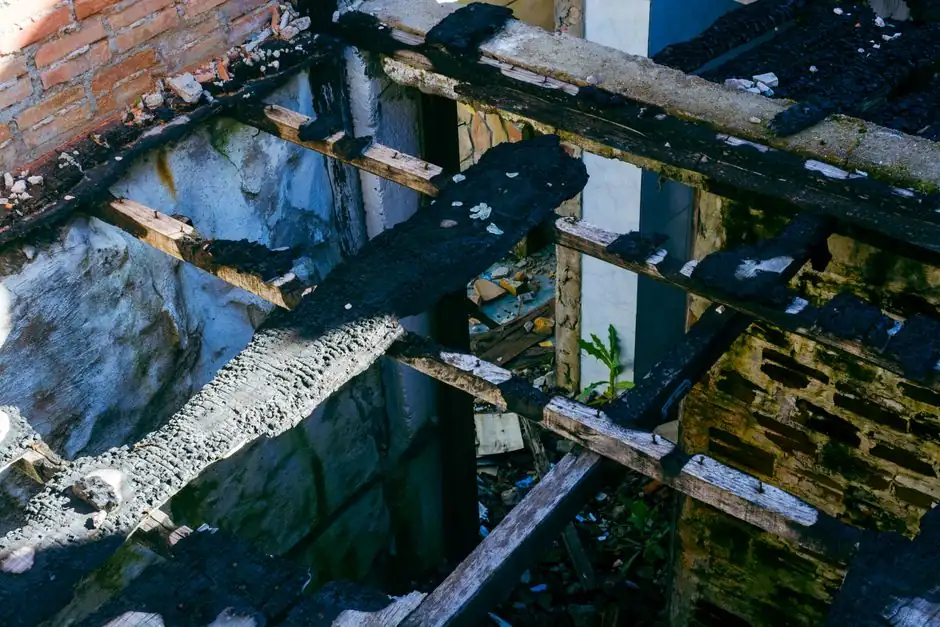
Identifying termite damage in your Hilo property can save you thousands in repairs. Early detection is crucial to preventing extensive damage caused by these pests. This article will guide you through the signs of termite damage, how to spot termites, and when to call for professional help.
Termite damage is the destruction of wood and other cellulose-based materials caused by termites, which are small insects that feed on wood. Understanding how to identify termite damage in your Hilo property can help you protect your home from significant structural issues.
What does termite damage look like in Hilo?
In Hilo, termite damage often manifests as hollowed-out wood, which may appear normal on the surface but is compromised underneath. You might also notice mud tubes along your foundation or walls, which termites use to travel between their colony and food sources. Other indicators include discarded wings near entry points and frass, which is termite droppings that resemble sawdust.
Common signs of termite damage in Hilo
Homeowners should be aware of several common signs of termite damage in Hilo:
- Wood damage: Look for soft or hollow-sounding wood when tapped.
- Swarmers: Seeing flying termites, especially in spring, indicates a nearby colony.
- Frass: Termite droppings can accumulate near wood structures.
- Mud tubes: These are often found on walls or foundations, serving as protective tunnels for termites.
- Paint damage: Bubbling or peeling paint can indicate moisture from termite activity.
How can I identify if I have termites in my Hilo home?
To identify termites in your Hilo home, start by conducting a thorough inspection of your property. Check for the signs mentioned above, particularly in areas where wood meets soil, such as basements and crawl spaces. Look for any signs of moisture, as termites are attracted to damp wood. If you suspect an infestation, consider scheduling a professional termite inspection.
Termite inspection tips for Hilo properties
When inspecting your property for termites, focus on the following areas:
- Basements and crawl spaces: These areas are often damp and can attract termites.
- Wooden structures: Inspect decks, fences, and wood siding for signs of damage.
- Attics: Check for signs of moisture and wood damage in your attic.
- Near plumbing: Look for leaks, as termites thrive in moist environments.
Utilize a flashlight to inspect dark areas and consider enlisting the help of a professional for a comprehensive evaluation of your Hilo property.
Common mistakes in identifying termite damage
Many homeowners make mistakes when identifying termite damage. Here are a few to avoid:
- Ignoring signs: Some may overlook small signs, thinking they are insignificant.
- Relying on visual inspection only: A thorough inspection should include tapping wood and checking for sound differences.
- Waiting too long: Delaying action can lead to more extensive damage and costly repairs.
When to call a professional
If you notice signs of termite damage or an active infestation, contacting a professional is crucial. Hilo Pest Pros offers expert termite control services in Hilo to help you combat these pests effectively. Early intervention can mitigate damage and save you money on repairs.
Frequently Asked Questions
What are the signs of termite damage in Hilo? Common signs include hollow wood, mud tubes, discarded wings, and frass. Regular inspections can help you catch these signs early.
How can I identify if I have termites in my Hilo home? Look for soft wood, moisture issues, and signs of mud tubes. A professional inspection may be needed for confirmation.
What does termite damage look like in Hilo? Termite damage often appears as hollowed wood, mud tubes, and frass, which is similar to sawdust.
How to check for termites in Hilo property? Conduct a thorough inspection of wood structures, basements, and crawl spaces, looking for signs of moisture and damage.
What should I do if I find termite damage? Contact a professional pest control service immediately to assess the situation and take appropriate action.