
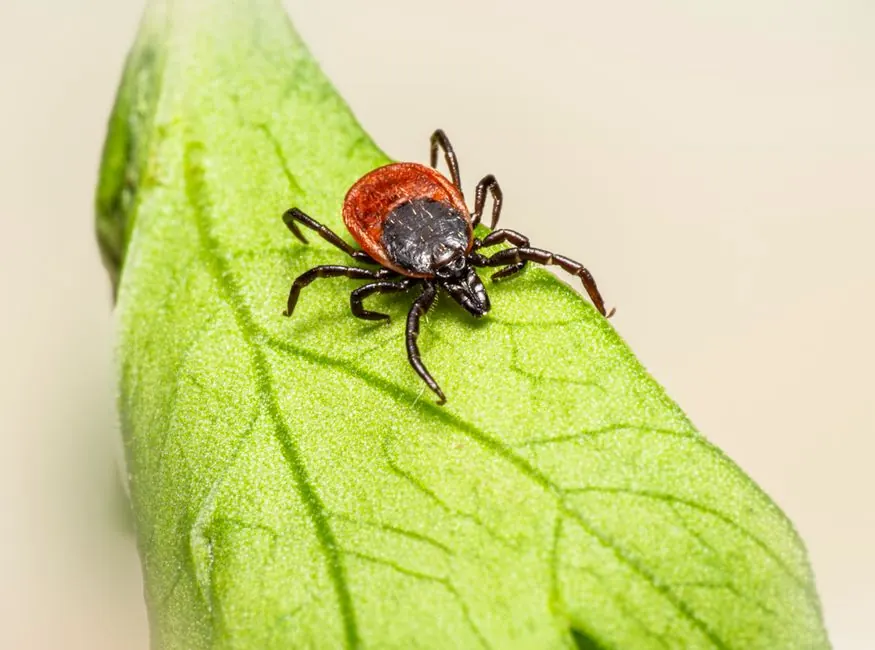
Flea problems in Hilo homes often reveal themselves through specific signs that homeowners should be aware of. Recognizing these common signs of a flea problem in Hilo homes can help you take timely action to protect your living space and pets. This article covers how to identify fleas, what attracts them, and when to seek professional help.
What are the signs of a flea problem in Hilo?
Common signs of a flea problem in Hilo include persistent itching in pets, flea bites on humans, and the presence of flea dirt. Flea dirt appears as small black specks, often found in areas where pets sleep or rest. If you notice your pets scratching more than usual or developing red spots on their skin, these may be signs of a flea infestation.
How to identify fleas in Hilo homes
Identifying fleas in Hilo homes involves a few straightforward steps. Start by inspecting your pets, as they are the most common carriers. Look for fleas in their fur or skin. You can also use a flea comb to catch any fleas or flea dirt. Additionally, check areas where your pets spend time, such as their bedding or favorite resting spots.
Using a flea trap
Another effective method for identifying fleas is setting up a flea trap. You can create a simple trap using a shallow dish filled with soapy water placed under a light source. Fleas are attracted to the light and will jump into the water, allowing you to gauge the extent of the infestation.
What attracts fleas to my Hilo home?
Fleas are attracted to warmth, carbon dioxide, and movement. In Hilo, the warm climate makes homes particularly inviting for these pests. Pets are primary attractants, as they provide both warmth and the carbon dioxide that fleas seek. Additionally, areas with high humidity levels, such as those found in Hilo, create ideal breeding grounds for fleas.
Common mistakes when dealing with fleas
Homeowners often make several mistakes when addressing flea problems. One common error is neglecting to treat the home environment alongside pets. Fleas can lay eggs in carpets, upholstery, and pet bedding, so thorough cleaning is essential. Failing to vacuum regularly or using ineffective treatments can exacerbate the problem.
- Not treating all pets: Ensure all pets are treated for fleas, not just the ones showing symptoms.
- Ignoring the environment: Treat your home with appropriate flea control products to eliminate eggs and larvae.
- Using outdated methods: Relying solely on home remedies may not effectively eliminate a flea infestation.
When to call a professional
If you suspect a flea infestation in your home, it may be time to contact a professional for flea and tick control in Hilo. Professional pest control services can provide comprehensive treatments that target both fleas and their eggs, ensuring a more thorough eradication.
Frequently Asked Questions
- What attracts fleas to my Hilo home? Fleas are attracted to warmth, carbon dioxide, and movement, making pets and the warm Hilo climate significant attractants.
- How can I tell if I have a flea problem in Hilo? Look for signs such as persistent itching in pets, flea dirt, and flea bites on humans.
- How to check for fleas in my Hilo home? Inspect pets, use a flea comb, and set up a flea trap using soapy water under a light source.
- What are the signs of a flea problem in Hilo? Common signs include itching in pets, flea dirt, and bites on humans.
- Is it necessary to treat my entire home for fleas? Yes, treating your entire home is crucial, as fleas can lay eggs in carpets and bedding.
For effective pest management, consider reaching out to Hilo pest control services that specialize in flea problems. Taking prompt action can help you regain control of your home and ensure a comfortable environment for your family and pets.